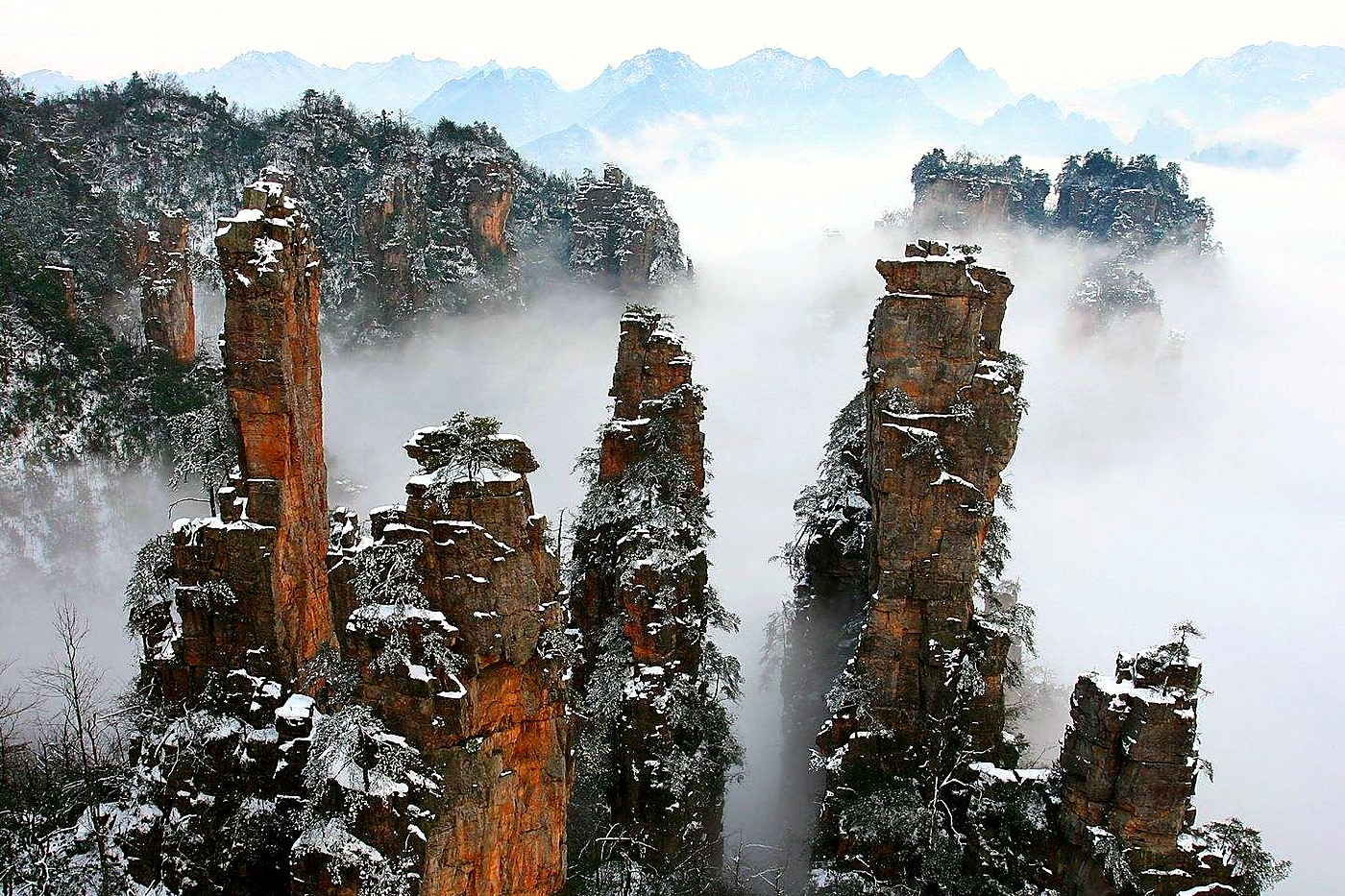
Every year one Chinese landscape captures the world's imagination. In 2026 it is unmistakably Zhangjiajie — the forest of quartz-sandstone pillars in northwestern Hunan whose floating silhouettes inspired the Hallelujah Mountains of Pandora. International visitors now make up close to 30% of the National Forest Park's traffic, and many plan an entire China trip around these peaks.
"The mountains are not a film set. The floating was added in post-production — the pillars themselves are very real, and standing beneath them is the point."
Where exactly are the Avatar mountains?
The name "Zhangjiajie" covers a city and several separate scenic areas, which confuses first-time planners. Three matter for the Avatar connection, and they are not the same place:
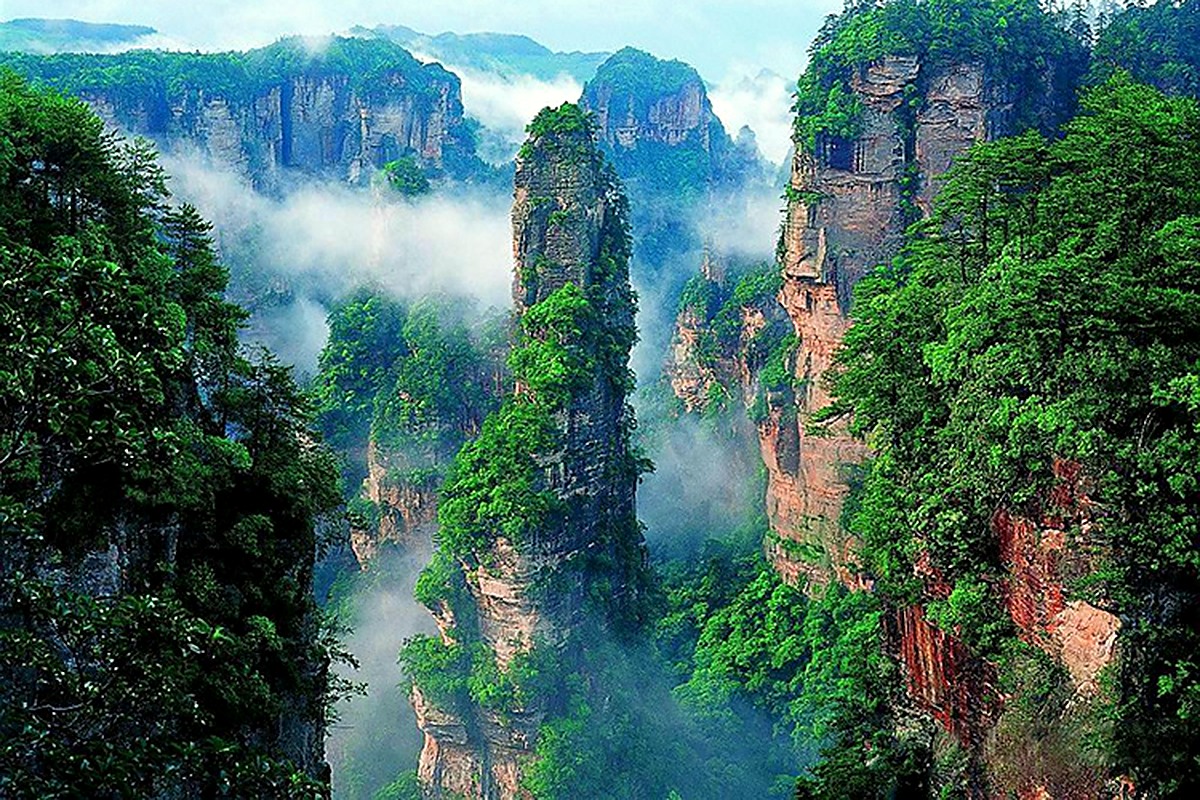
- Zhangjiajie National Forest Park — holds the famous pillars, inside the Wulingyuan UNESCO site. This is where the "Avatar" landscape is.
- Yuanjiajie — a specific area inside the park, home to the pillar nicknamed the Hallelujah Mountain (named so after the film in 2010), the First Bridge under Heaven, and the "Lost Souls Platform" viewpoint.
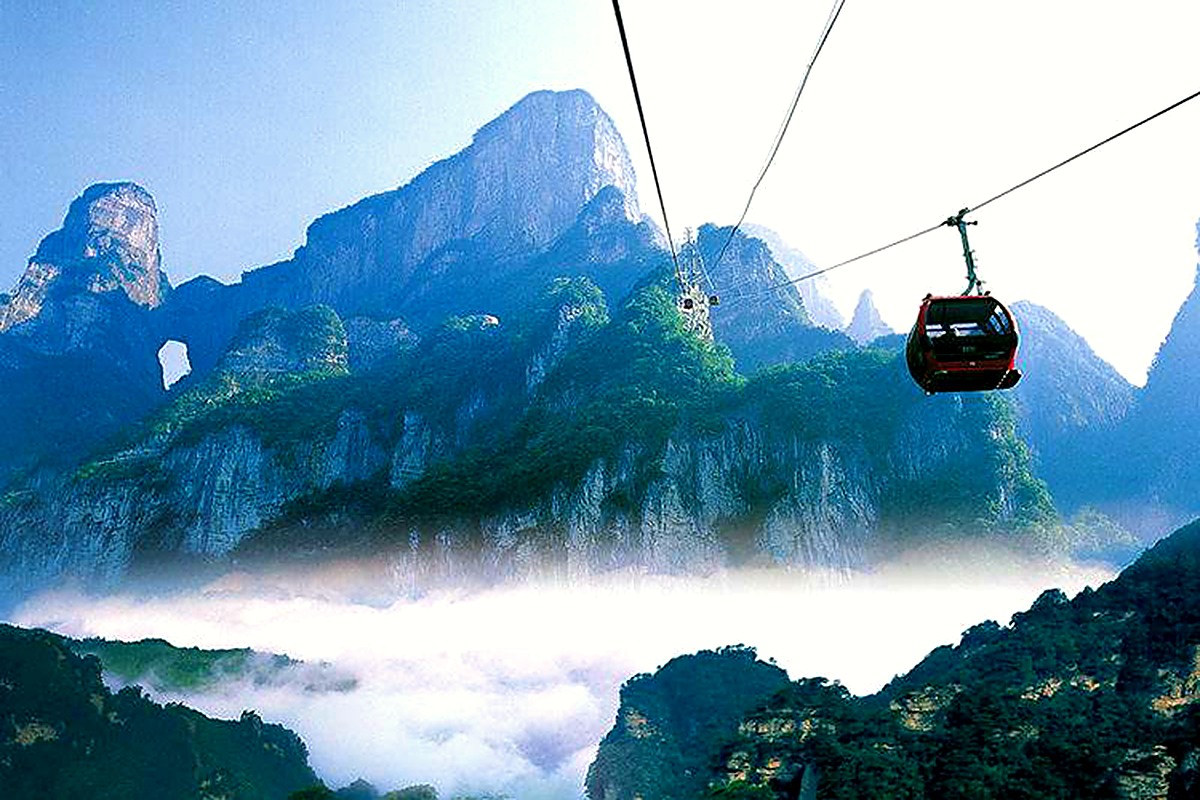
- Tianmen Mountain — a separate mountain reached by cable car from the city, with the glass skywalk and Heaven's Gate cave. Spectacular, but not the Avatar pillars.
So: if you came for the floating mountains, Yuanjiajie in the National Forest Park is your destination. A guide who knows the park will put you on those terraces before the tour groups arrive.
How much time should you give it?
Our planning rule is simple: give the Forest Park at least one full day, ideally two; give Tianmen Mountain its own day; treat the Grand Canyon glass bridge as an optional half-day. Three to four nights is the rhythm at which the landscape actually opens up. The most common mistake we correct is the two-day dash trying to hold all three.
When is the sea of clouds most likely?
April to June and September to November bring mild temperatures and the highest chance of the cloud seas that make the pillars appear to float. Summer is lush but busy; winter dusts the peaks with snow and empties the trails — a quiet secret among photographers. Do not be put off by rain in the forecast: light rain followed by clearing skies produces precisely the mist these mountains are famous for. Build one flexible day into the plan and you can follow the weather rather than fight it.
The practical things guides quietly handle
Park tickets are digital and linked to your passport, which doubles as your ID at every gate — keep it with you. A network of free shuttle buses connects the trailheads; it looks daunting on a map but is straightforward with a plan. The classic routes involve thousands of stone steps, but they are optional: sequenced deliberately, the Bailong Elevator and the cable cars remove almost all the hard climbing. That routing is the difference between an exhausting day and an effortless one — and it is what a knowledgeable local does without you noticing.
Frequently asked questions
In Zhangjiajie National Forest Park, part of the Wulingyuan Scenic Area in Hunan Province, China. The pillar known as the Hallelujah Mountain is in the Yuanjiajie area of the park.
Yes. The floating mountains were inspired by Zhangjiajie's quartz-sandstone pillars, although the floating effect itself was created digitally for the film. The real pillars exceed 200 m in height.
Three to four nights is ideal: one to two full days for the Forest Park, one for Tianmen Mountain, and a half day for the glass bridge if you want it.
April–June and September–November offer the mildest weather and the best chance of a sea of clouds. After light rain, the mist is often at its most dramatic.
Not strictly, but the park is large and the best timing (which entrance, which hour, which cable car) is local knowledge. A guide removes most of the queues and the hard climbing.